Hiring Lighting Design Services: Deliverables to Confirm Before You Sign
A fixture schedule tells you what may be purchased, not whether the lighting will work. Before comparing interior design services, ask what performance, coordination, site support, and final testing the fee actually buys.
What should a complete residential lighting design proposal include?
A complete proposal should define criteria, calculations, coordinated drawings, fixture and controls schedules, procurement support, mock-ups, inspections, aiming, and commissioning. Every deliverable needs an owner, deadline, revision allowance, and acceptance record.
A fixture list is not a complete lighting design scope
A procurement-ready schedule identifies output, distribution, colour characteristics, driver, dimming protocol, mounting, finish, accessories, environmental rating, and substitution rules. Searches for “interior designers near me” or “house designers near me” establish proximity, not competence. The IALD description of professional resources distinguishes lighting-design agreements from architectural and engineering services and identifies specification integrity as a professional concern.
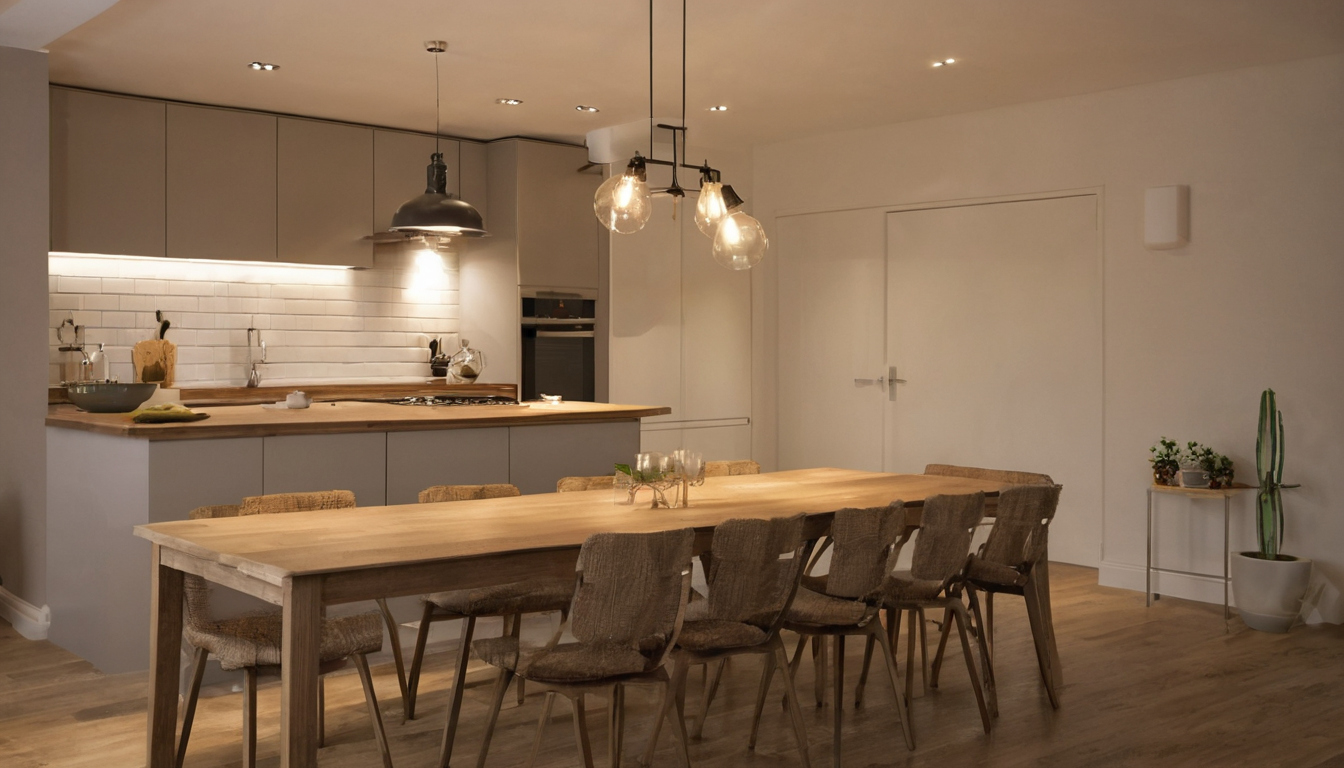
What should a complete residential lighting design proposal include shown with practical context cues.
| Deliverable | Issue stage | Owner | Included revisions | Acceptance evidence | Omission risk |
|---|---|---|---|---|---|
| Calculations and drawings | Coordination | Designer | Defined rounds | Team approval | Redesign |
| Fixture and controls schedules | Pricing | Designer or integrator | Defined rounds | Client sign-off | Change orders |
| Mock-ups and inspections | Pre-installation | Named consultant | Defined visits | Report closure | Concealed defects |
| Aiming and commissioning | Handover | Specialist and contractor | Defined sessions | Test record | Weak performance |
Every lighting deliverable needs an issue date and an acceptance method
Label each item as concept, coordination, construction, procurement, or handover information. Contract form, project scale, building type, and jurisdiction alter the requirements. The next test is whether the pre-construction documents are technically usable.
Which lighting calculations, drawings, and schedules are needed before construction?
Pre-construction documents must convert the approved concept into measurable criteria, coordinated installation information, and specifications that contractors can price without guessing.
Lighting calculations must identify the task, assumptions, and applicable standard
Calculations should state room tasks, software, proposed photometric files, surface reflectances, maintenance factors, calculation planes, and exclusions. Relevant outputs may include maintained illuminance, uniformity, vertical illumination, glare, daylight interaction, connected load, and emergency performance where applicable.
Criteria should follow occupant needs and a current reference, not a universal lux target. The IES Lighting Library provides current standards and illuminance recommendations, while the IES standards cross-reference directs users away from superseded documents. The proposal should identify the publication used. Lighting analysis does not automatically include cable sizing, circuit protection, voltage-drop, fault, permit, or other statutory engineering.
Which lighting calculations, drawings, and schedules are needed before construction shown as an editorial planning reference.
Coordinated lighting drawings must show more than fixture positions
Reflected ceiling plans should show tags, dimensions, setting-out logic, switching and dimming zones, sections, mounting details, driver locations, and maintenance access. Coordination must resolve ceiling construction, structure, HVAC, speakers, sprinklers, and joinery. Renovation drawings should also record demolition and uncertain existing conditions.
Fixture and controls schedules must be procurement-ready
Schedules should define model, output, optic, colour temperature, colour rendering, finish, mounting, driver, protocol, accessories, cutout, adjustability, rating, quantity, and approved equivalents. Controls information should define zones, scenes, sensors, keypads, interfaces, and failure behaviour. The CIBSE and SLL publication catalogue includes guidance on surface reflectance, emergency lighting, controls, stairs, and compliance, but the designer must identify the applicable document and project conditions.
Lighting deliverables must be issued before dependent design and procurement decisions
Issue lighting information before each costly commitment: ceiling coordination before framing, loads and control intent before pricing, and approved fixtures before ordering.
The lighting brief must be approved before fixture selection begins
The brief should record room activities, scenes, daylight, artwork, sensitive materials, accessibility needs, maintenance access, energy goals, controls expectations, and separate decorative and architectural-lighting budgets. Compare kitchen-island lighting options only after task, glare, ceiling, and visual-priority requirements are settled.
Procurement dates must follow approvals, samples, and coordinated technical details
- Approve the brief: confirm performance, scenes, budget, and sample strategy.
- Freeze interfaces: coordinate recesses, supports, joinery channels, drivers, loads, and panel space.
- Approve technical information: review mock-ups, compatibility, shop drawings, quotations, and substitutions.
- Inspect construction: check supports, wiring, access, and setting-out before concealment.
- Complete handover: record aiming, programming, testing, and operating information.
Fit these gates into the wider custom-interior approval and procurement sequence. Never order a fitting before confirming mounting, power, dimming, support, and purchasing responsibility.
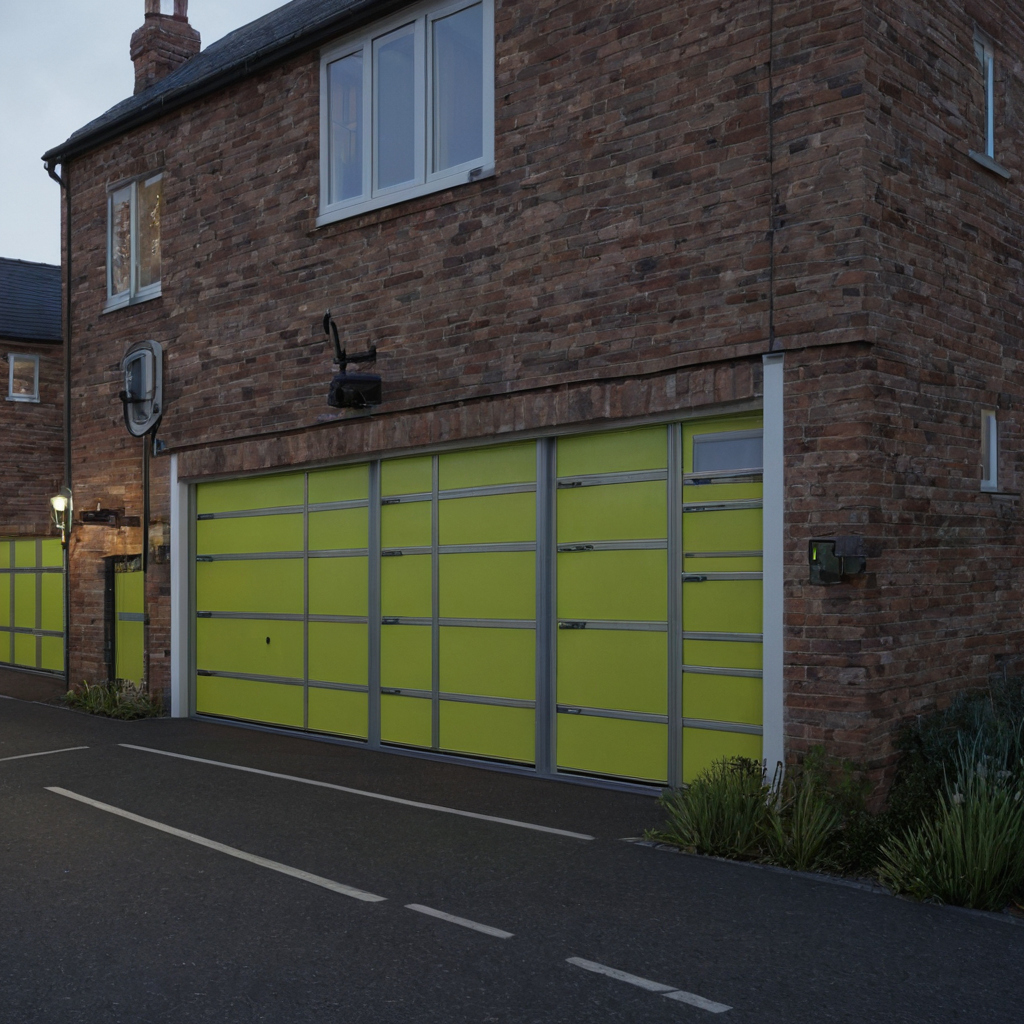
Lighting deliverables must be issued before dependent design and procurement decisions shown as an editorial planning reference.
Lighting responsibility must be divided among the designer, engineer, supplier, and contractor
Assign every task to one responsible party. Fixture selection alone establishes neither compliance responsibility nor performance accountability.
| Scope | Responsible party | Accountability |
|---|---|---|
| Brief, calculations, layouts, specifications | Lighting designer | Lighting performance |
| Ceilings and joinery interfaces | Architect or interior designer | Spatial coordination |
| Electrical design, permits, life safety | Locally authorized engineer | Statutory compliance |
| Controls, programming, testing | Controls specialist | System integration |
| Supply, shop drawings, warranty | Supplier | Equipment and compatibility records |
| Installation, testing, aiming | Contractor | Workmanship and installation records |
Clients should ask who signs off electrical and life-safety compliance
Confirm responsibility for cable and protection calculations, wet-area rules, energy documentation, permits, authority submissions, and emergency lighting where applicable. Private dwellings, shared residential areas, and public-facing spaces can carry different obligations.
Controls integration requires one named system owner
Name one owner for the operating sequence, addressing, panels, networks, interfaces, scenes, software backups, testing, and training. Require written compatibility confirmation before procurement and a process for resolving failures involving multiple suppliers.
Mock-ups, site inspections, aiming, and commissioning must be priced as deliverables
Site services turn drawings into a functioning installation. The proposal should state visit quantities, duration, travel limits, notice periods, reports, acceptance criteria, and additional-visit rates.
Lighting mock-ups need written questions and acceptance criteria
Define whether a mock-up tests beam distribution, glare, source visibility, wall texture, dimming, colour consistency, mounting, or access. Allocate supply, installation, programming, observation, approval, and removal.
Lighting site inspections must occur before defects are concealed
Schedule setting-out, first-fix, and pre-close-up reviews before ceilings or joinery hide recesses, channels, drivers, controls wiring, supports, and waterproofing interfaces. Reports should name defects, responsible parties, deadlines, and reinspection status.
Final aiming and controls commissioning require separate completion records
- Record nighttime aiming and beam adjustments.
- Test scenes, dimming ranges, sensors, and interfaces.
- Provide labels, software backups, training, and defect records.
- Separate aesthetic commissioning from statutory testing and certification.
CIBSE lighting guidance treats controls, emergency lighting, maintenance, examination, and testing as distinct considerations, supporting the need to define completion records rather than assume them.
Lighting design fees should be compared through exclusions, assumptions, and change rules
Compare fees against a normalized scope, not the headline total. Record assumptions for rooms, revisions, programme, meetings, visits, travel, construction phases, taxes, and reimbursable expenses.
Common lighting exclusions can become expensive additional services
Check calculations, engineering, controls, sourcing, custom details, tender review, samples, mock-ups, inspections, aiming, commissioning, and training. For every exclusion, name the replacement provider and latest safe appointment date.
Substitutions need technical review before approval
Matching wattage or appearance does not prove equivalence. Review photometry, distribution, glare, dimensions, finish, driver, dimming, environmental rating, certification, warranty, lead time, and controls compatibility.
A lighting proposal needs clear change-control triggers
Triggers should include brief changes, added rooms, ceiling revisions, delayed approvals, reselection, substitutions, repeat inspections, extended construction, and phased handovers.
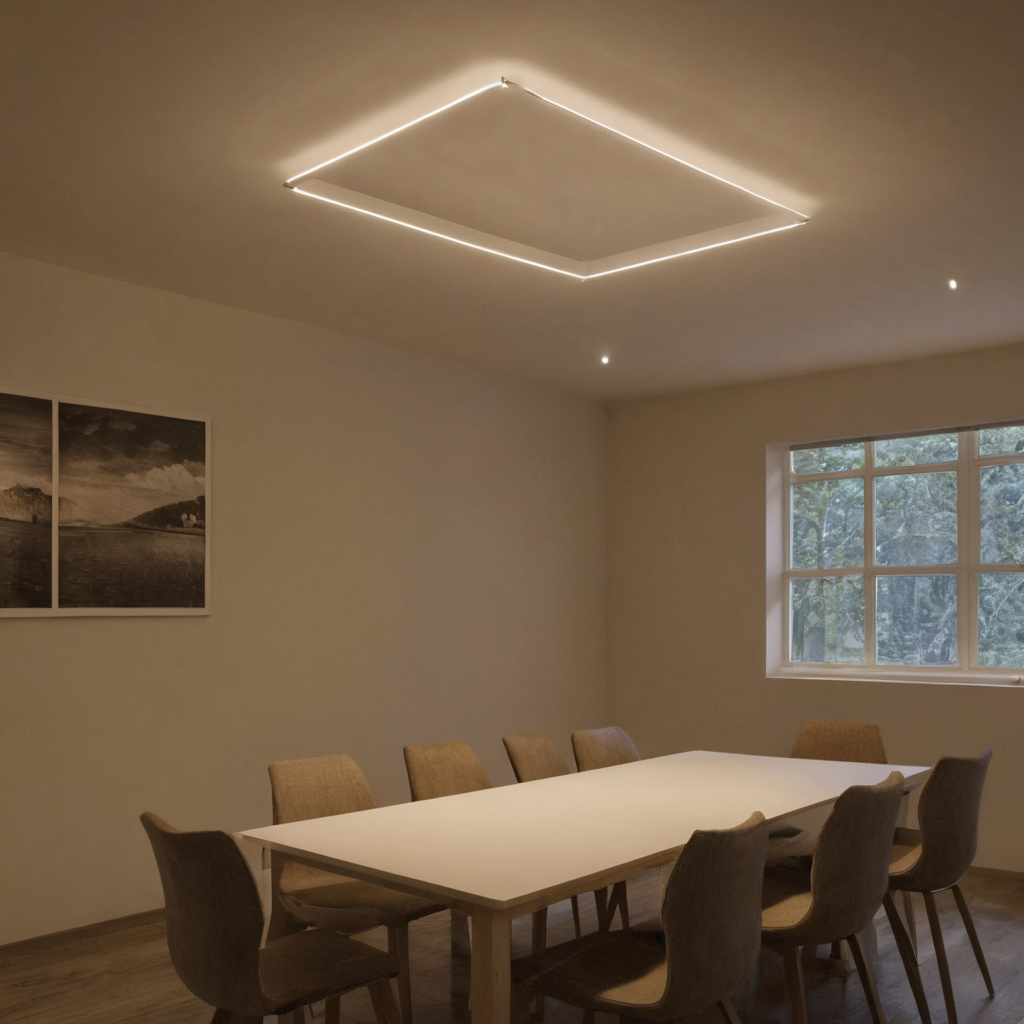
Lighting design fees should be compared through exclusions, assumptions, and change rules shown as an editorial planning reference.
| Commercial red flag | Required response |
|---|---|
| Unstated allowances or revision limits | Define caps, expenses, and refund treatment |
| Undisclosed markups or commissions | Require conflict disclosure |
| Unclear file rights, cancellation, suspension, or liability | Obtain contract-expert review |
Before signing, request one revised scope register showing included, excluded, optional, and client-supplied items, with an owner and deadline beside every deliverable.
Frequently asked questions
Do I need an independent lighting designer if my interior designer already selects fixtures?
Possibly. Confirm whether the interior designer also provides calculations, coordinated drawings, controls design, site reviews, aiming, and commissioning. Fixture selection alone leaves those tasks unresolved.
Are lighting calculations necessary for a private home or only for commercial projects?
Calculations are useful where tasks, glare, artwork, complex ceilings, daylight, or integrated controls make performance difficult to judge. Their scope should match the project rather than imitate a commercial package.
How many lighting-design site visits should a residential proposal include?
No fixed number suits every project. Price visits around setting-out, first fix, pre-close-up inspection, final aiming, and commissioning, then define rates for repeat visits.